
By Ryan Kirton
Medill Reports
SAN FRANCISCO — Even with a year to prepare, there were still doubts the Bay Area would be ready to go for Super Bowl LX.
More than two dozen transit agencies are scattered across the Bay Area, with travel often involving transfers from one system to another. To ready the region for major sporting events like Super Bowl LX and the FIFA World Cup, the Bay Area Host Committee was founded in 2022. As Super Bowl LX drew nearer, the BAHC had the tall task of organizing the transit agencies.
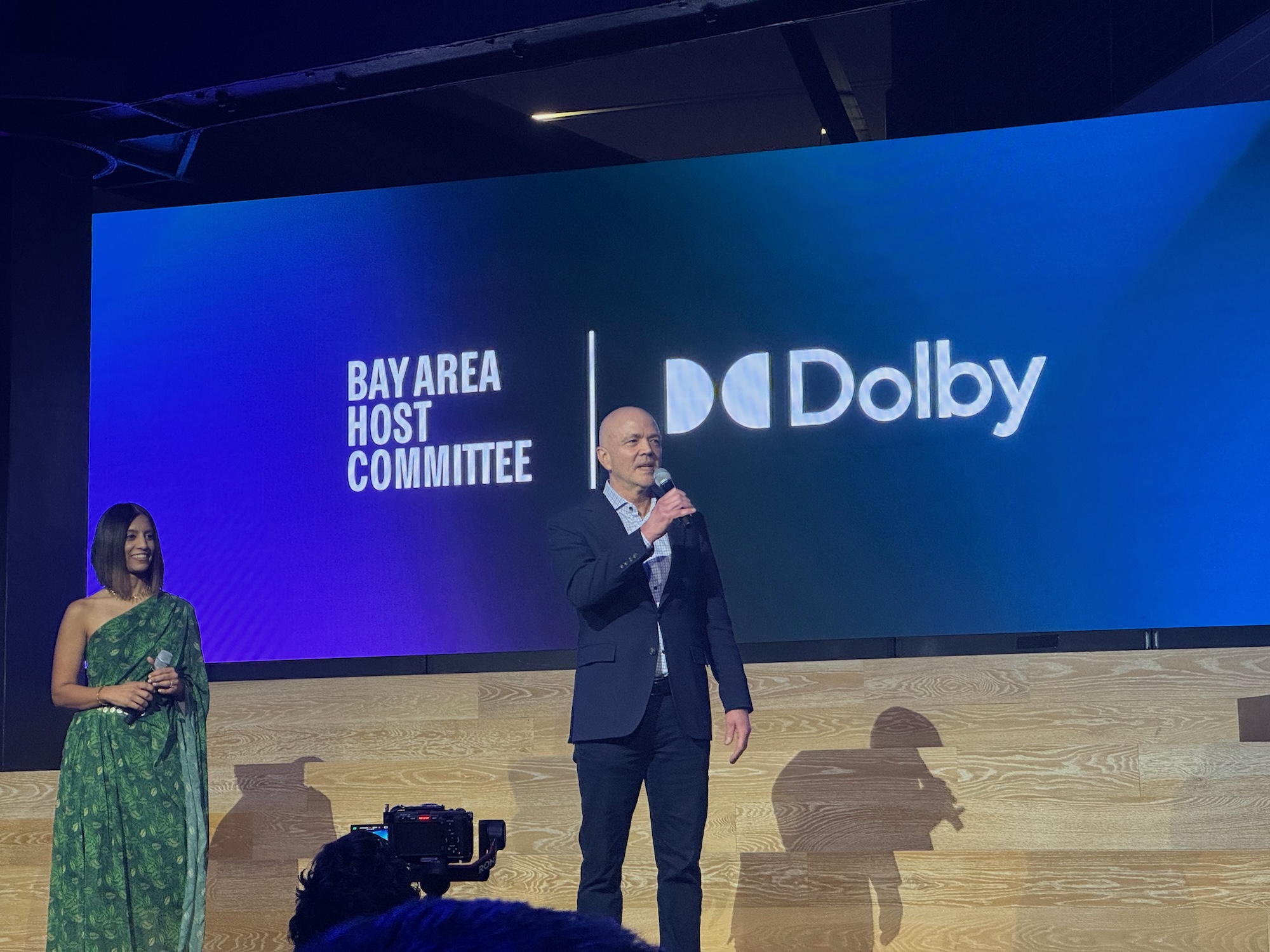
“I knew that the Bay was a region that could do it,” Zaileen Janmohamed, CEO of the BAHC, said Thursday. “I just didn’t know how.”
Now, the BAHC has coordinated with three major transit agencies, Bay Area Rapid Transit, Santa Clara Valley Transit Authority (VTA) and Caltrain, to get riders to and from Levi’s Stadium for Super Bowl LX. These agencies have been testing new strategies during other big events to prepare for Super Bowl Sunday. They anticipate these protocols will be put to use for future events, including the World Cup later this year.
The VTA serves the South Bay, with riders able to take a bus or light rail train to and from Levi’s Stadium. The transit agency said it expects to see about 25,000 fans using its services, surpassing the record set during Taylor Swift’s Eras Tour in 2023.
“Super Bowl 50 and the Taylor Swift concerts provided lessons in crowd surges, service timing and communication gaps, which we used to fine-tune operations for future games including Super Bowl LX and the World Cup games,” VTA public information officer Stacey Hendler Ross said.
As a result, the VTA will suspend service at the two stations between Levi’s Stadium on Super Bowl Sunday. Riders traveling west will use the Great America station, while those traveling east will use the Lick Mill station. VTA anticipates these changes plus 22 additional trains will shorten wait times and send travelers where they need to go more efficiently.
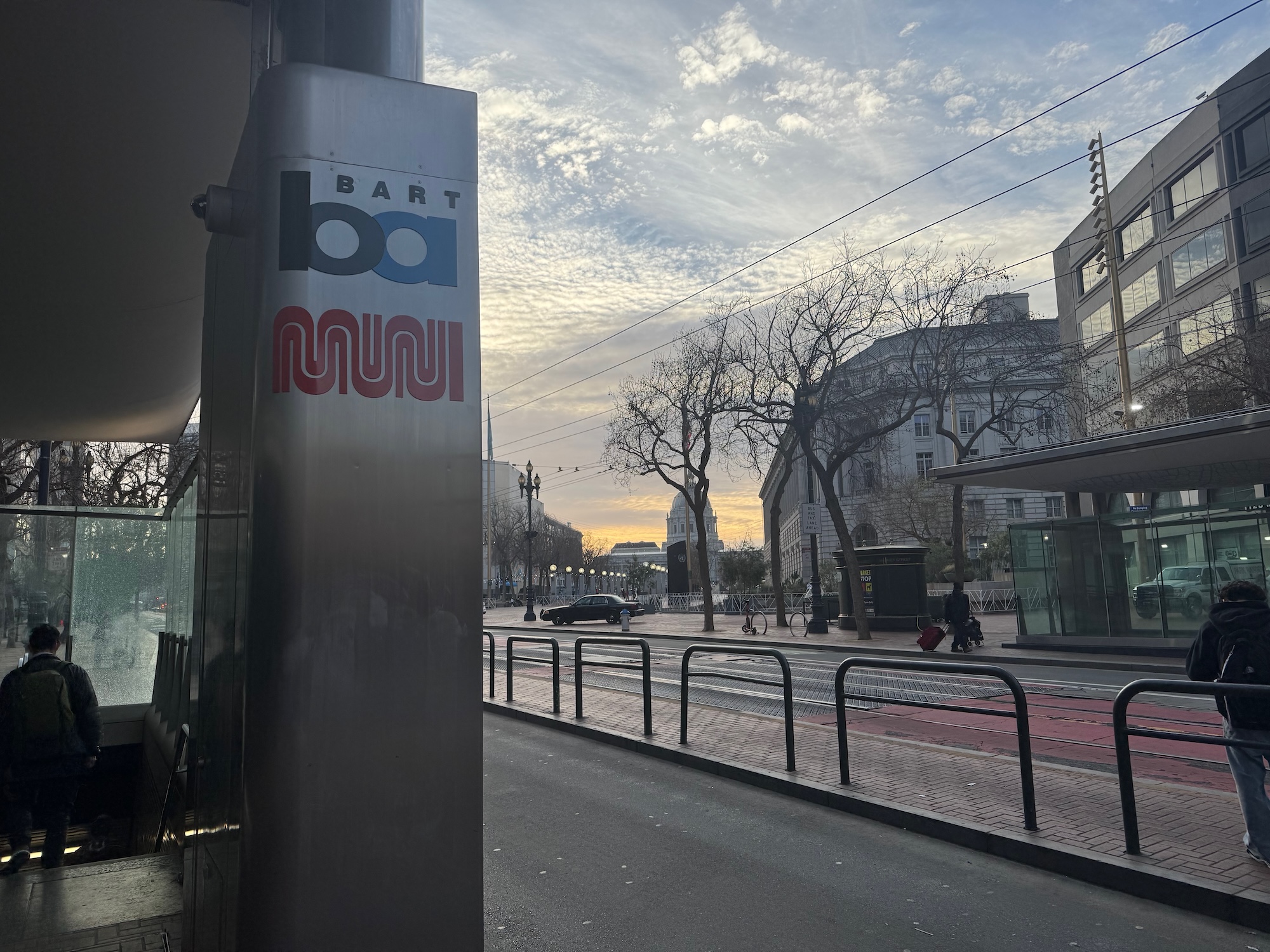
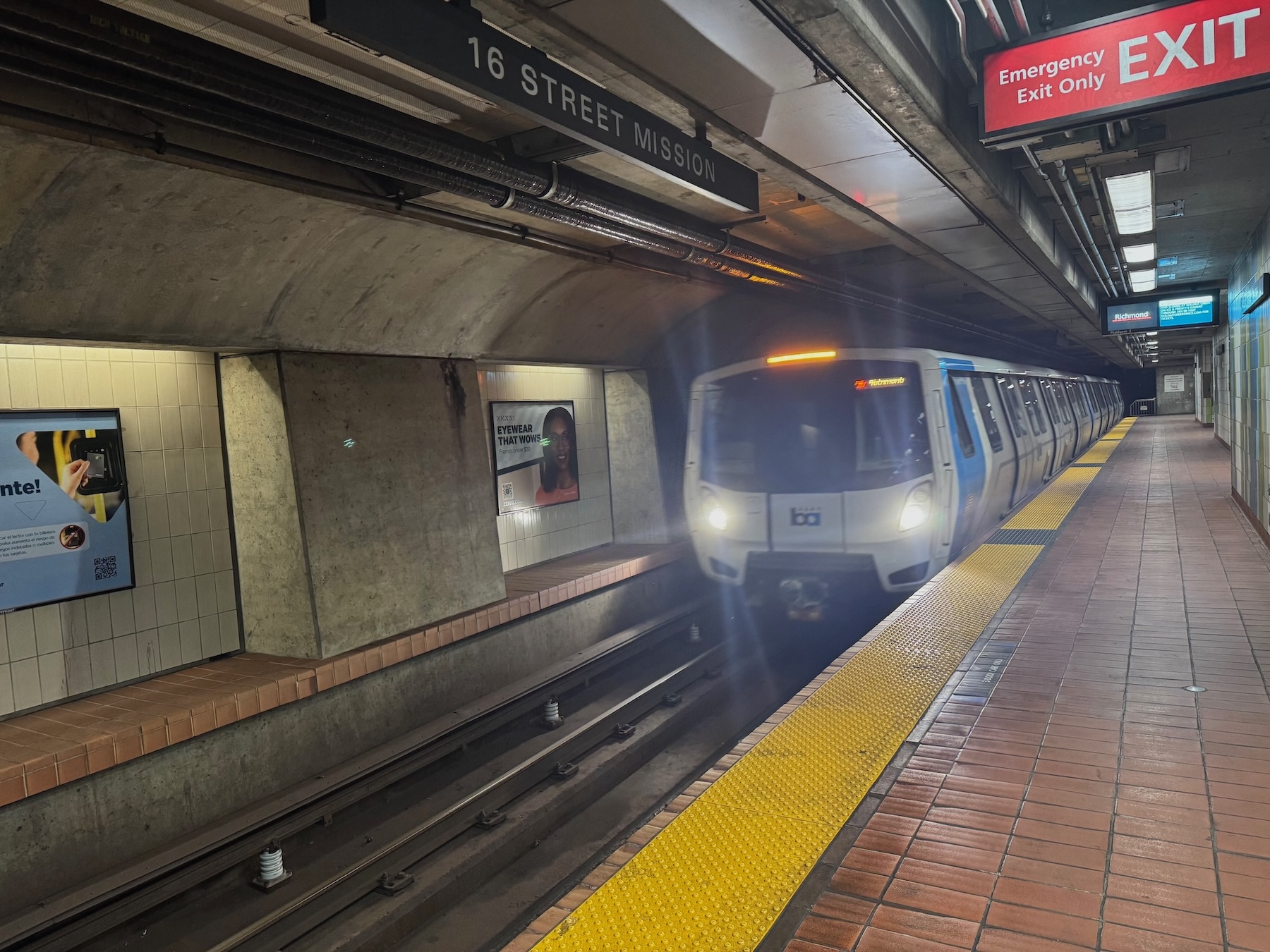
But many of these travelers will need to get to the East Bay or San Francisco Peninsula, needing to rely on BART or Caltrain. BART is the largest transit agency in the Bay Area, providing more than 50 million rides in 2024.
“Our general manager meets regularly with the leaders of other transit agencies in the Bay Area,” BART media relations manager Chris Filippi said. “We want to make sure that we’re all on the same page and working together to move people around.”
BART has also come up with its own time-saving strategy. The agency has partnered with Uber to give riders the opportunity to connect from a BART station to their final destination all in the BART app.
“We just rolled that out less than a month ago, and we are already seeing people use that as an opportunity to make transit more accessible and easier to use,” Filippi said. “The easier it is to use, the more welcoming it is and the better experience overall.”
Many of these measures being implemented by BART and VTA will stay in place for the 2026 World Cup, which will hold six games at Levi’s Stadium.
“People are going to be traveling from all around the globe,” Filippi said. “And oftentimes, (they’re) coming from countries where transit is much more a part of how people typically get around than perhaps it is here in North America.
“So we’re going to embrace that. We’re very excited about it,” he added. “We want to make sure that our wayfinding is dialed in so people can easily navigate the different transit systems in the Bay Area.”
While the World Cup will bring the world together this summer, BART, VTA and the BAHC will focus first on Super Bowl LX on Sunday. Janmohamed expressed excitement about people coming to the Bay Area for these events to see all the work the groups have done.
“When people walk through this market, they’re experiencing it, maybe for the first time,” Janmohamed said. “We want them to walk away being like, ‘Man, that was an awesome experience. And we’re coming back.’”
Ryan Kirton is a sports media specialization graduate student at Medill.