
By Collin O’Callaghan
Medill Reports
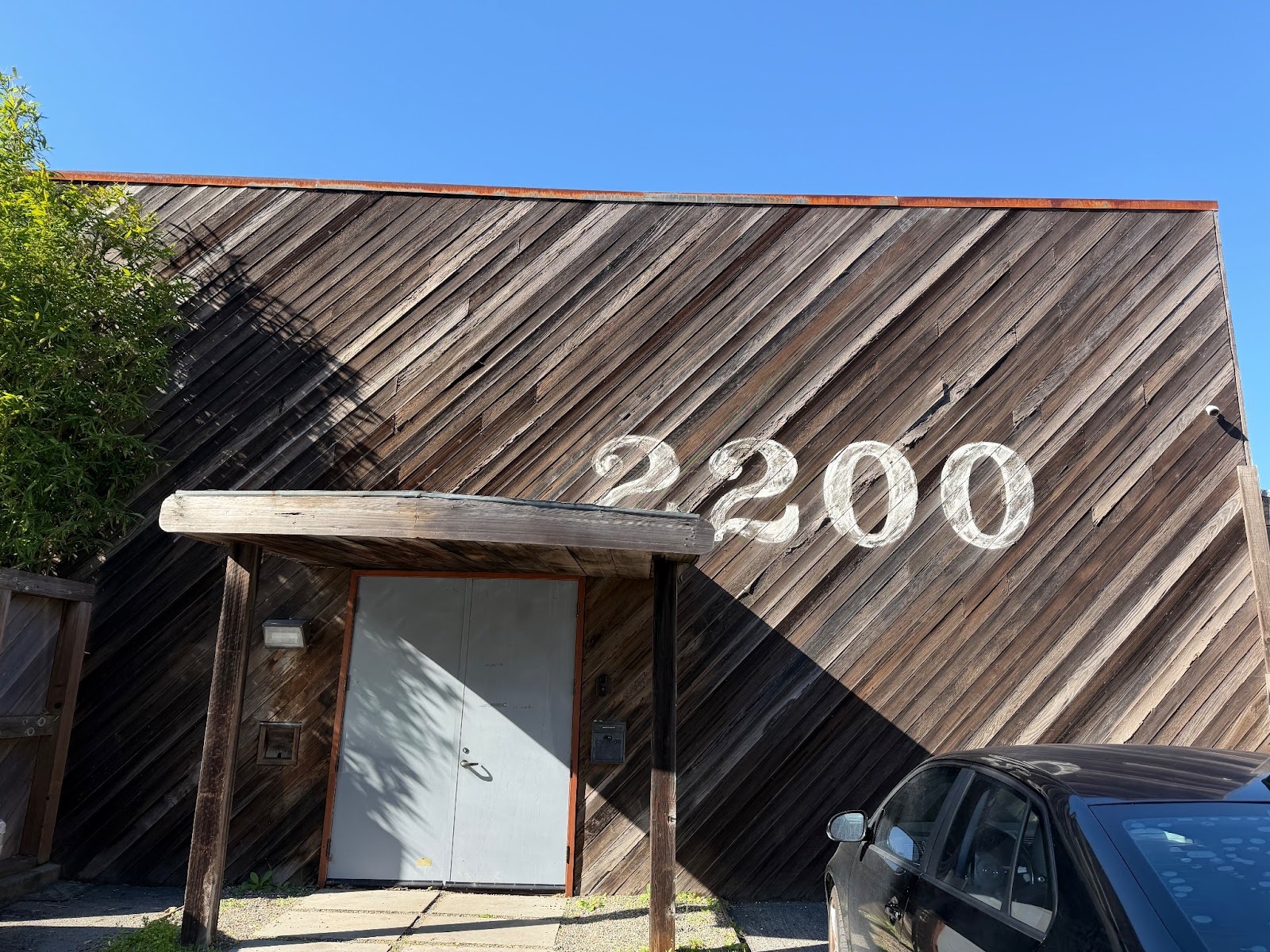
SAUSALITO, Calif. – After being shut down in New York City and Los Angeles, 2200 Studios in Sausalito is the last remaining music studio under the former enterprise Record Plant. Located on 2200 Bridgeway is a facility that might not appear to be much, but one that holds a lasting legacy.
On Oct. 28, 1972, the doors of Record Plant opened in Sausalito to some of the most prominent musicians in the world, let alone the United States. Legend has it John Lennon and Yoko Ono dressed as redwood trees at a Halloween-themed gala event at the studio. Nearly 55 years later, the fully rebranded 2200 Studios manages to preserve the history and tradition of its predecessors.
“We just want to preserve the historical nature of this venue more often,” co-owner Chris Skarakis said. “The last studio of Record Plant is in the Bay Area and it is a cultural icon of the music industry.”
The main reason a studio was set up in a little town like Sausalito, according to Skarakis, was to escape the loud environments of New York City and Los Angeles, where the Record Plant also had facilities.
Several bands and recording artists have walked through the halls of the studio, including Prince, Carlos Santana, Green Day, Mark Knopfler of Dire Straits and Brian Johnson of AC/DC. Some of them, such as Sly Stone and Fleetwood Mac, even had their own residential rooms. However, this does not mean 2200 Studios shuts out the next generation of musicians.
“We always try to nurture the young bands,” Skarakis said. “We have guys come in and we look for the next Tom Petty, to give them the next opportunity.”
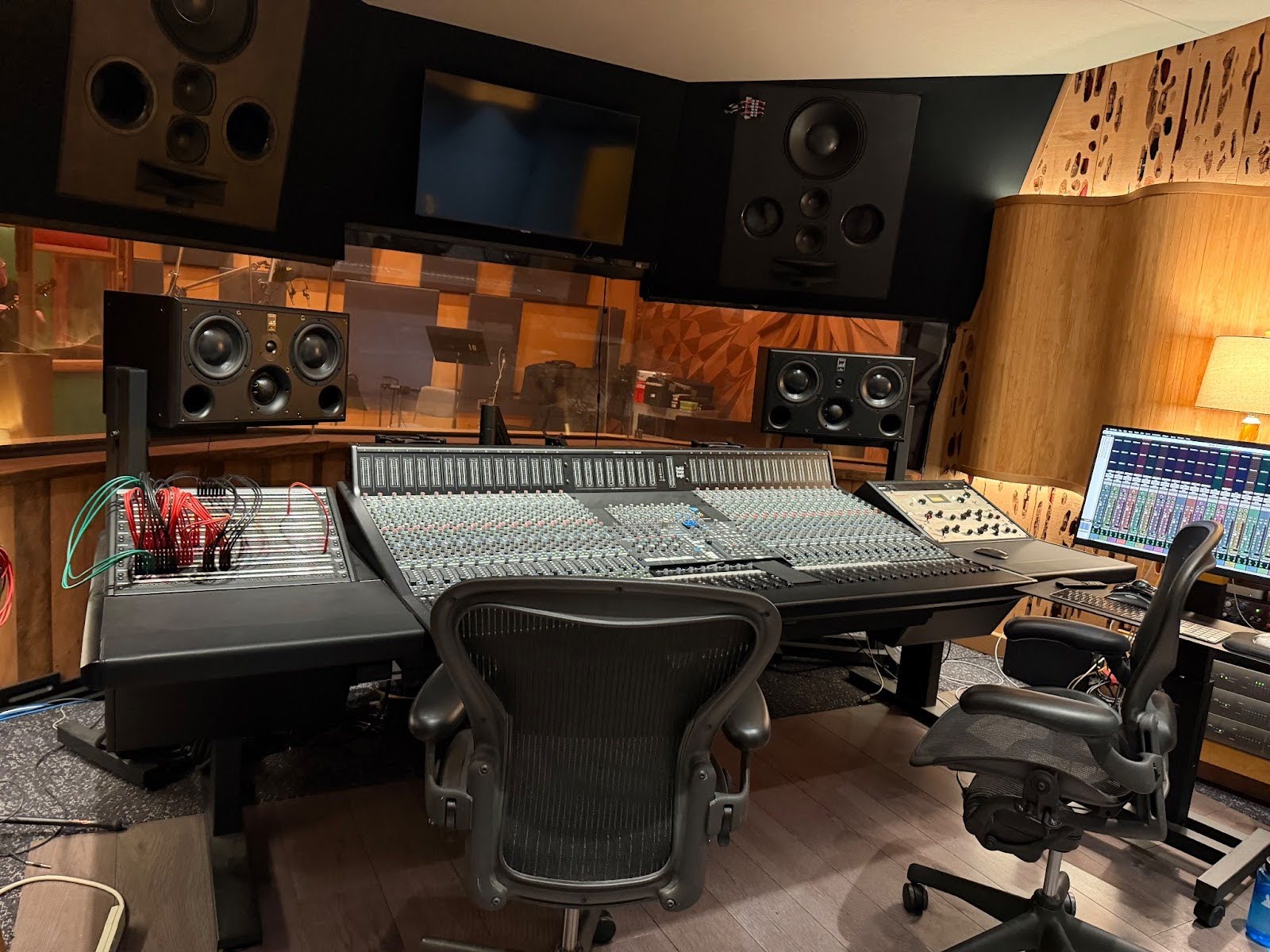
The company is a 501-(c)(3) nonprofit, meaning its purpose is to serve the public and provide accessibility to its spaces, rather than have the owners or stakeholders reap all the profits.
“We mainly foster the Bay Area scene, but we have brands from all over the place enter our spaces,” co-owner Ryan Shaw said. “Sometimes we give bands full access for free in the two studios we have.”
“The studio is an inanimate object – delicate to put that vibe in the walls,” studio painter Gardner F. Goetze said. “Every day, I pay base attention to the legacy and the feel about this place.”
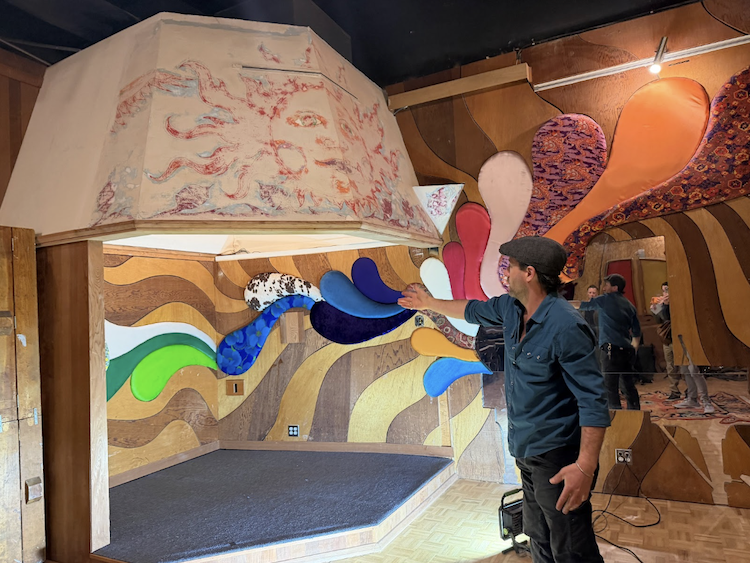
One aspect that has changed over the years is the name. When the studio in Los Angeles shut down, litigation processes took the Record Plant trademark away from this recording facility, which was sold to music producer Patrizio Moi. Instead of fighting for the name back, the owners in charge at Sausalito decided to brand themselves under a new identity by simply using the number of their address.
“We had so many irons in the fire and there was so much we were trying to do, the last thing we wanted to do was fight a trademark battle,” Skarakis said.
Today, 2200 Studios wants to do more than just host recording spaces for prominent artists and musicians. Within months, they plan to launch an educational program centered around audio engineering, aiming to inspire the next generation to enter a highly competitive but rewarding industry.
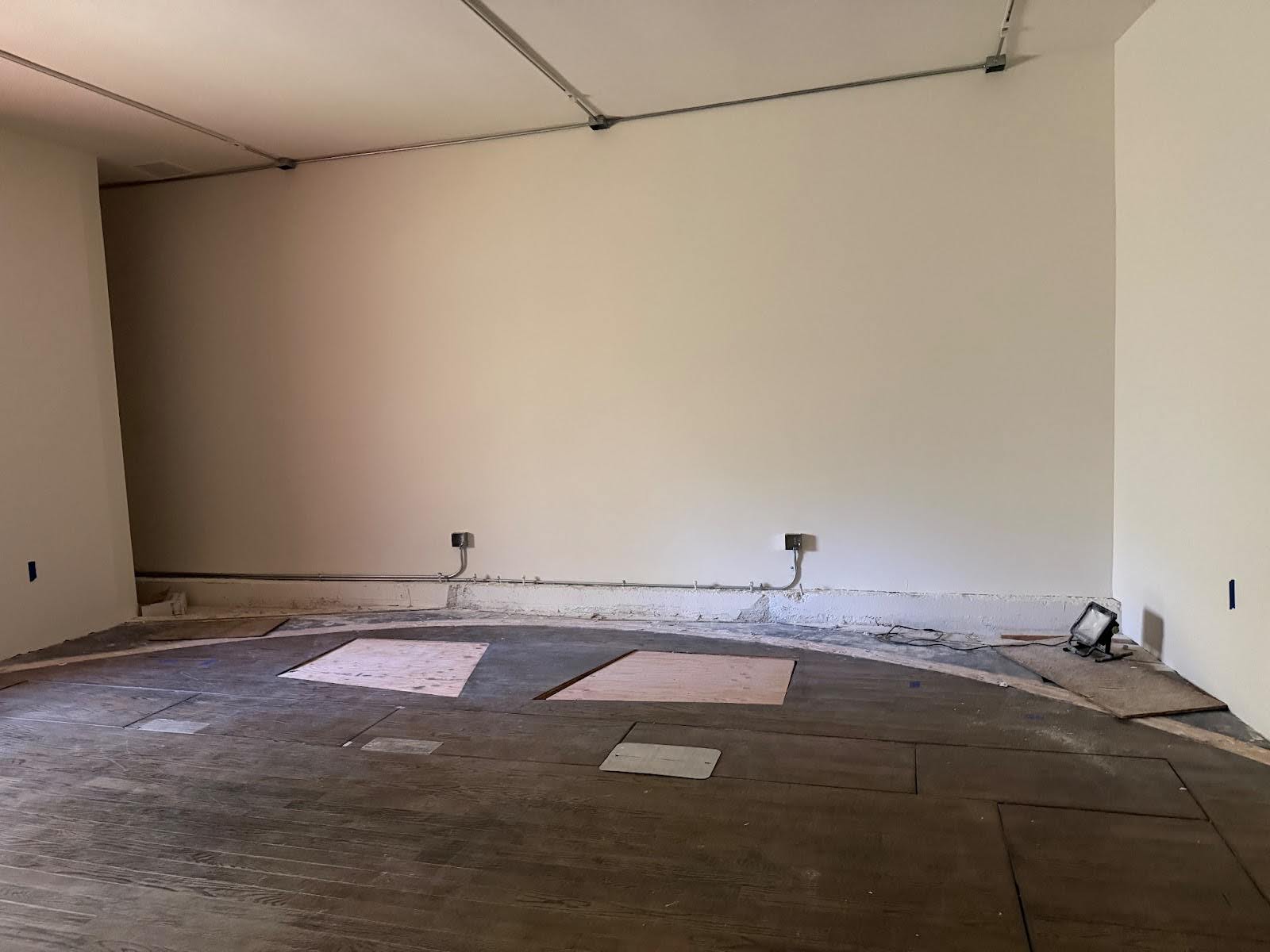
“A lot of the myth is the mojo,” Skarakis said. “You can build out a warehouse, but it won’t have the same elements.”
Collin O’Callaghan is a sports media specialization graduate student at Medill.