
By Camille Vocelka
Medill Reports
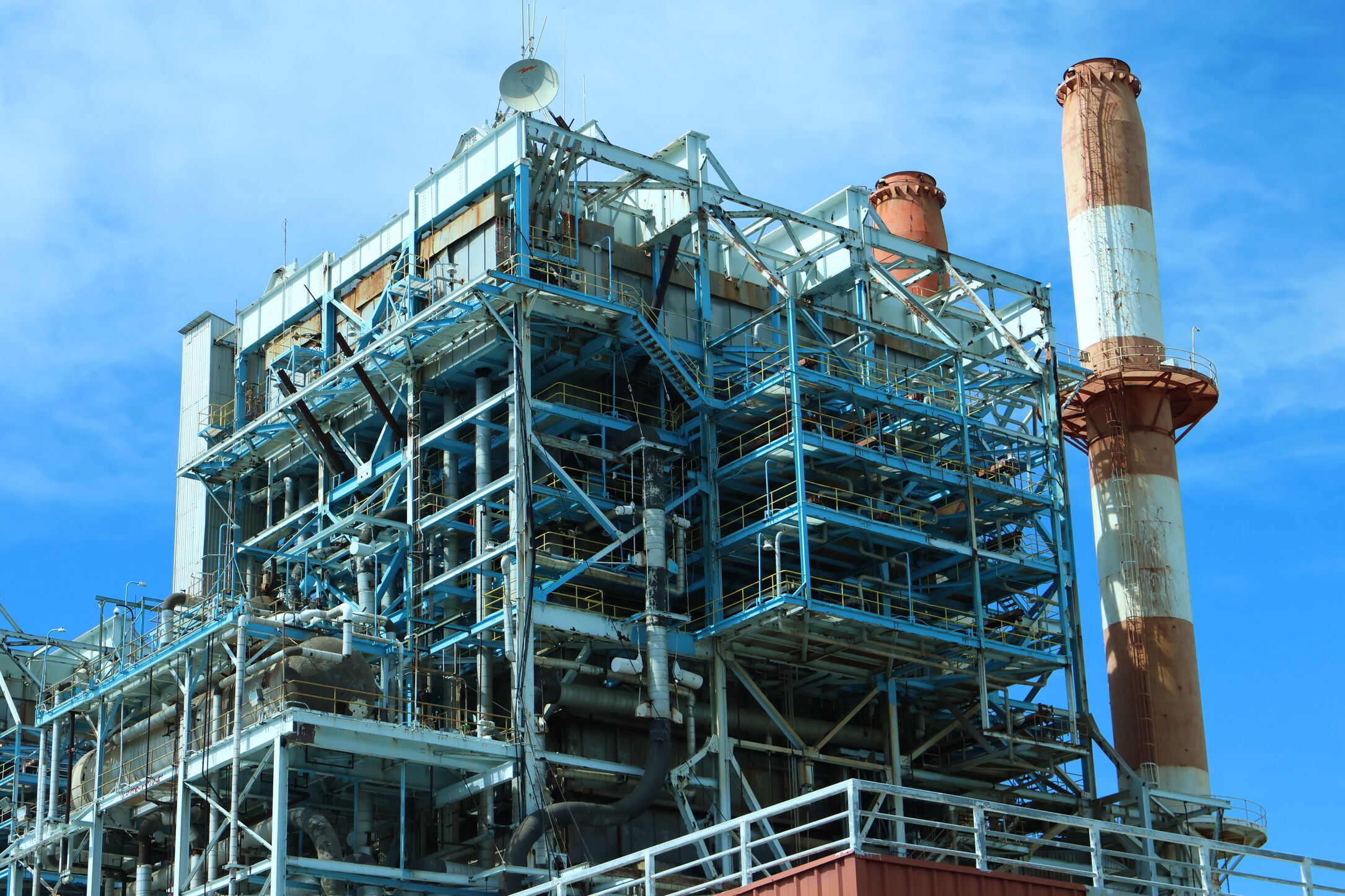
For decades, Puerto Ricans have suffered from an unreliable electricity grid and devastating pollution from the coal, oil and gas plants that fuel it. Community leaders are pushing for a transition to renewable energy, specifically rooftop solar. Ongoing legal disputes will determine the fate of billions of dollars meant for that purpose.
A federal court for the district of Puerto Rico ruled last fall that FEMA should consider the use of $9.8 billion in disaster relief from Hurricane Maria for distributed solar. The Department of Justice appealed this decision, attempting to divert the funds toward repairing and rebuilding the fossil fuel grid. The FEMA funding alone is not enough to update the grid. Proposed gas and electricity rate increases would cover the additional costs. Earthjustice attorneys warned that the increases could lead to a mass migration out of Puerto Rico, as people are already struggling to make ends meet. Continued reliance on the fossil fuel grid will make people more vulnerable to outages since the centralized fossil fuel-dependent grid is more susceptible to damage from hurricanes than distributed solar.
The decision about whether to consider the use of the funds for rooftop solar is projected to be made within the next few months, according to environmental attorney Ruth Santiago, who challenged FEMA’s deficient environmental impact assessment at the administrative level.