
By Mallory Evans
Medill Reports
Smelling dozens of ice cream flavors. Clicking buttons and cranking levers to control inflation and cash flow. Squinting your eyes to see tiny bowling pins, buttons, rocks and figurines. The commonality? They’re all activities in Chicago museums.
According to Museum Hack, there are 67 museums in the city of Chicago — but what constitutes a “museum”? Institutions that exhibit artistic, scientific and historical work can also extend to unusual interests and hobbies. Keep an open mind. Minnesota draws visitors to its 14,000-foot museum dedicated to Hormel’s canned meat, Spam.
“One of the extraordinary things about Chicago is its wide variety of cultural offerings and extensive breadth of museums that are here,” said Lindsay Bosch, associate director of communications, marketing and digital strategy at Northwestern University’s free Block Museum of Art. “The kind of conversations you can have in a museum are unlike conversations you can have anywhere else.”
Add these spots to your Chicago bucket list:
Michael’s Museum: A Curious Collection of Tiny Treasures
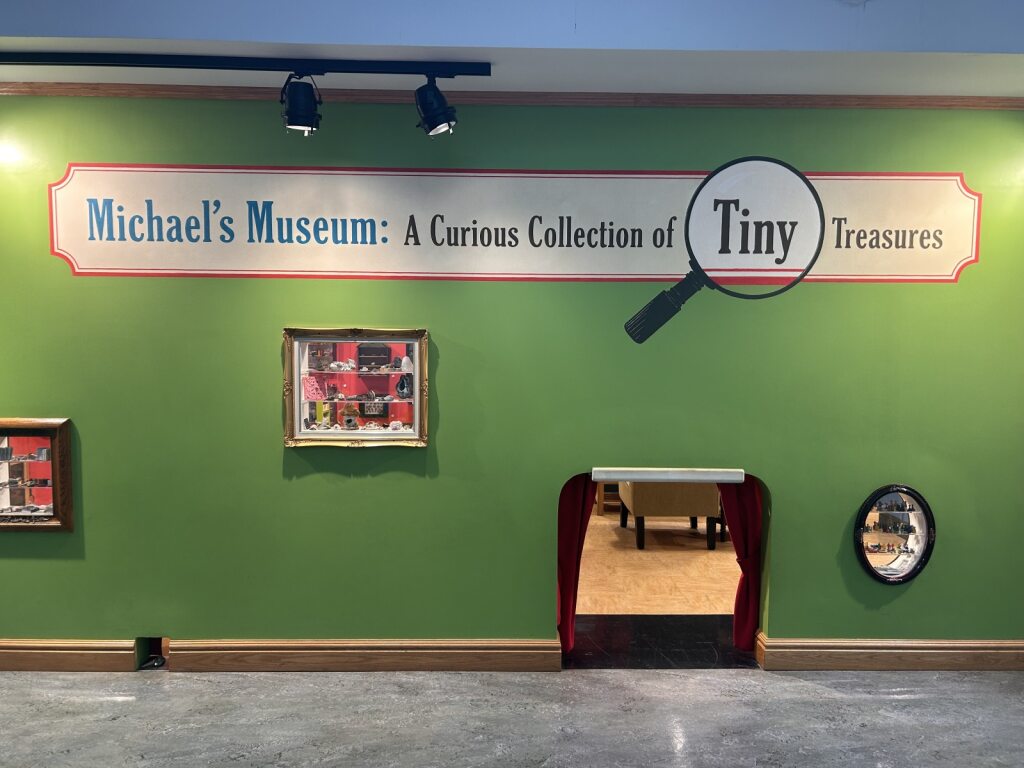
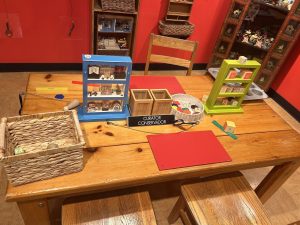
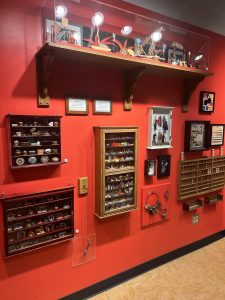
On the third floor of the Chicago Children’s Museum, red portière curtains mark the entrance to a small world: Michael’s Museum.
This “mini” museum features almost 100 collections (each made up of several thousands of items) of tiny objects donated by collector and retired teacher Michael Horvich. Horvich began accumulating miniatures and trinkets when he was 8 years old, and instead of the traditional lemonade stand phase, he would charge people a fee to view his collectibles. For several decades, he ran a tiny museum in his Evanston attic. Then a 2007 article in the Chicago Tribune about his space prompted him to donate his collection to the Children’s Museum, which he still visits for events.
“It’s so whimsical and wonderful, and it works with our environment because it almost functions as a big, living ‘I Spy,’” said Natalie Bortoli, vice president of education programming and experience development at the Children’s Museum.
Curators figured out ways for Michael’s Museum to be more immersive, Bortoli said, incorporating counting challenges and memory games that encourage visitors to have conversations about similar family heirlooms like music boxes and holiday decorations.
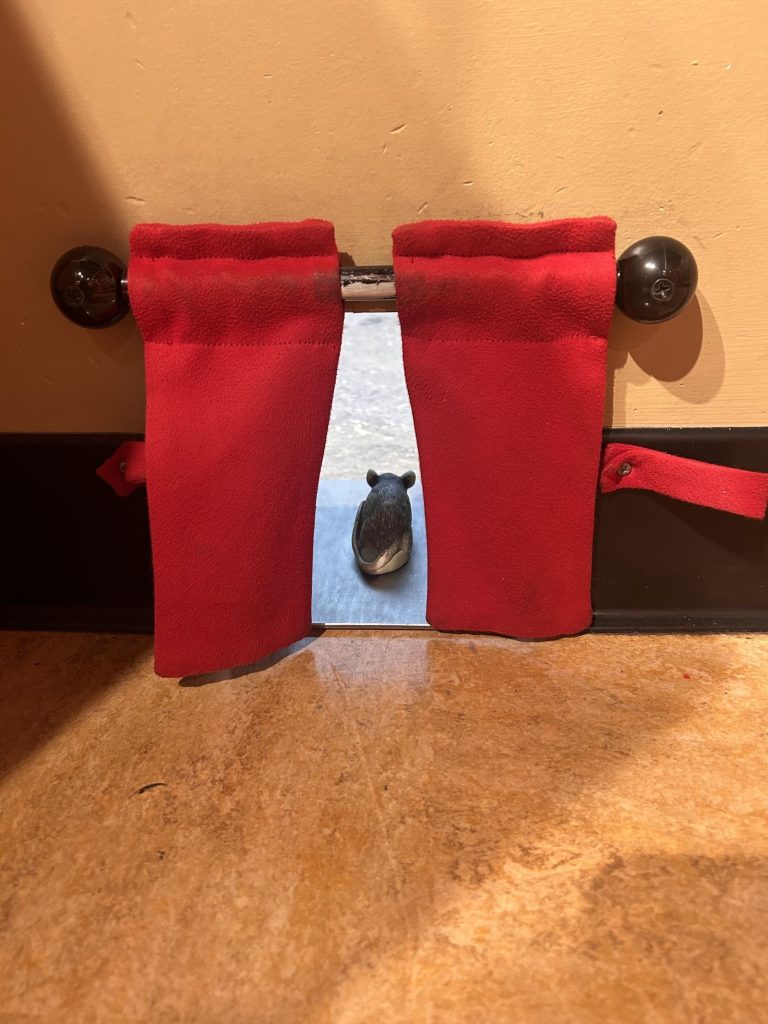
Find Horvich’s mini bowling pins, Christmas ornaments, rubber chocolates, tin cars, Beanie Baby bears and jumping beans. If the main walkthrough is too ordinary, kids can check out a tiny mouse entrance.
“[Michael’s Museum] is a quieter space in a very active museum … for families to settle in and look around when they need a nice decompressing space,” Bortoli said.
- Address: 700 E. Grand Ave.
- Price: $21–$25; free for children younger than 1
- Admission to Michael’s Museum is included with admission to the Children’s Museum.
- Visitors must bring a child to be admitted.
- Recommended for ages 3-10, but adults are welcome too.
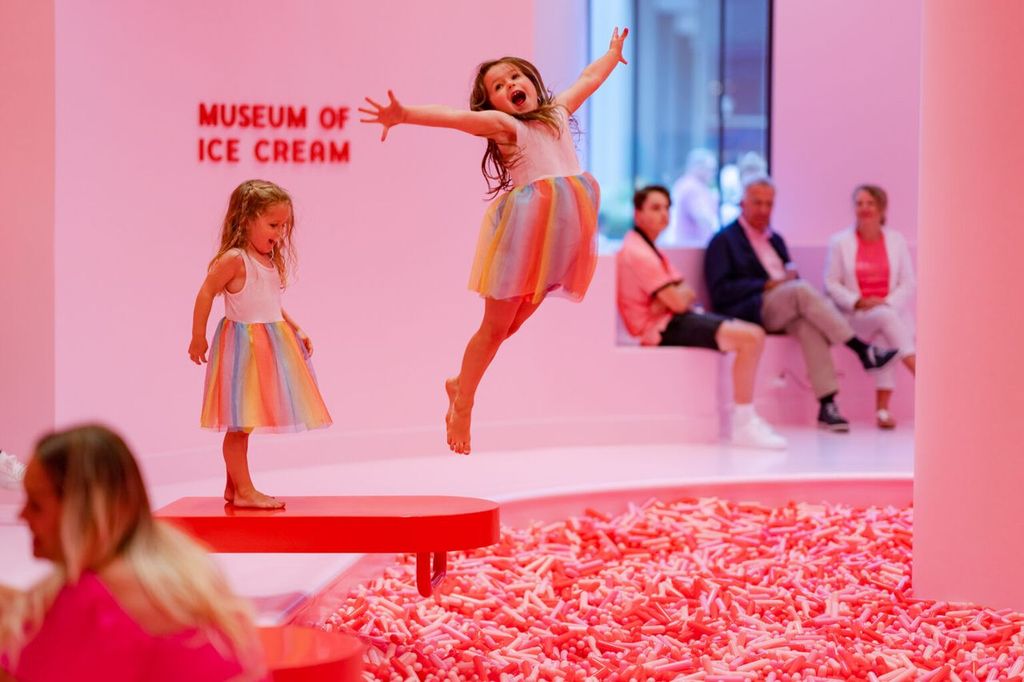
For rotating flavors, a giant sprinkle pool and all things pink, visit the Museum of Ice Cream on the Magnificent Mile.
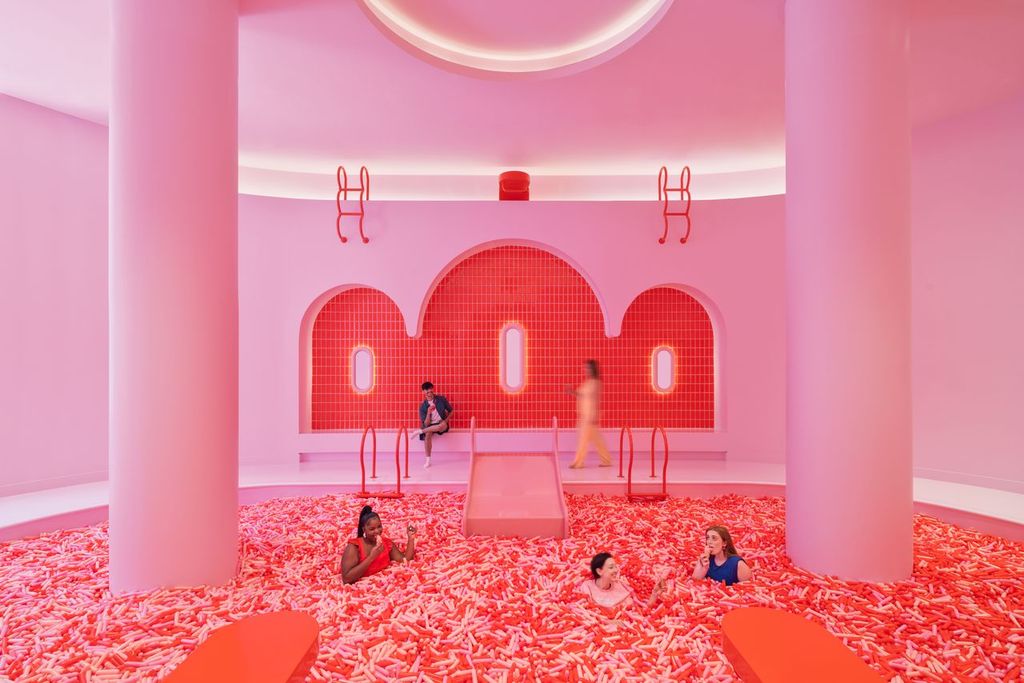
Visitors step into a world with a pink “Sprink-L” pink train – a playful nod to the Chicago “L.” Stop by the speakeasy-inspired cafe serving sweet treats, milkshakes and cocktails, or visit the “sprinkle pool” where guests can dive into a pit of jumbo plastic “sprinkles.” A giant dessert-themed mini golf course features treats like the museum’s signature ice cream shaped like a Chicago-style hot dog.
The Chicago location in the Tribune Tower opened in summer 2022, with other permanent locations in New York City, San Francisco and Los Angeles.
“It is a place bursting with one of the most innovative culinary landscapes in the world and a deep appreciation for art, entertainment and community,” said Manish Vora, co-founder of Museum of Ice Cream. “Chicagoans truly show up for experiences, and we wanted to create something that felt immersive.”
This family-friendly space encourages “bringing out the kid in all of us, at any age,” Vora said. “Watching adults laugh like kids, families actually connect without their phones, strangers smiling at each other and even playing together – that never gets old.”
Vora developed his love of ice cream in the Midwest, he said. “Being able to bring that sense of joy, creativity and imagination to visitors on the Magnificent Mile feels incredibly full-circle and deeply rewarding.”
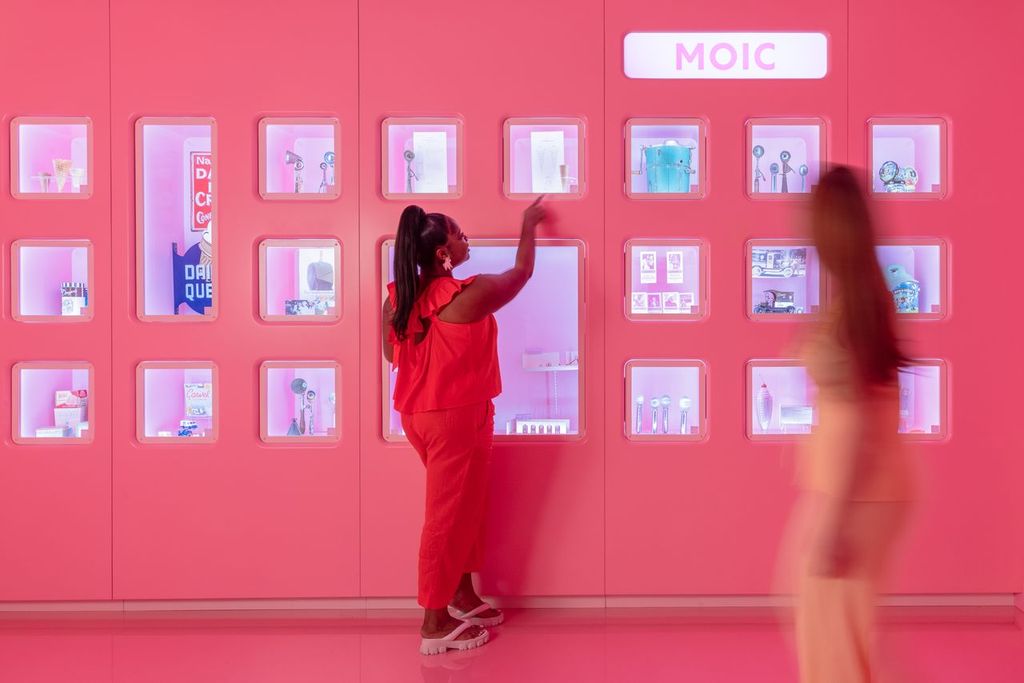
- Address: 435 N. Michigan Ave. Suite G
- Price: starting at $24 (tickets include unlimited ice cream)
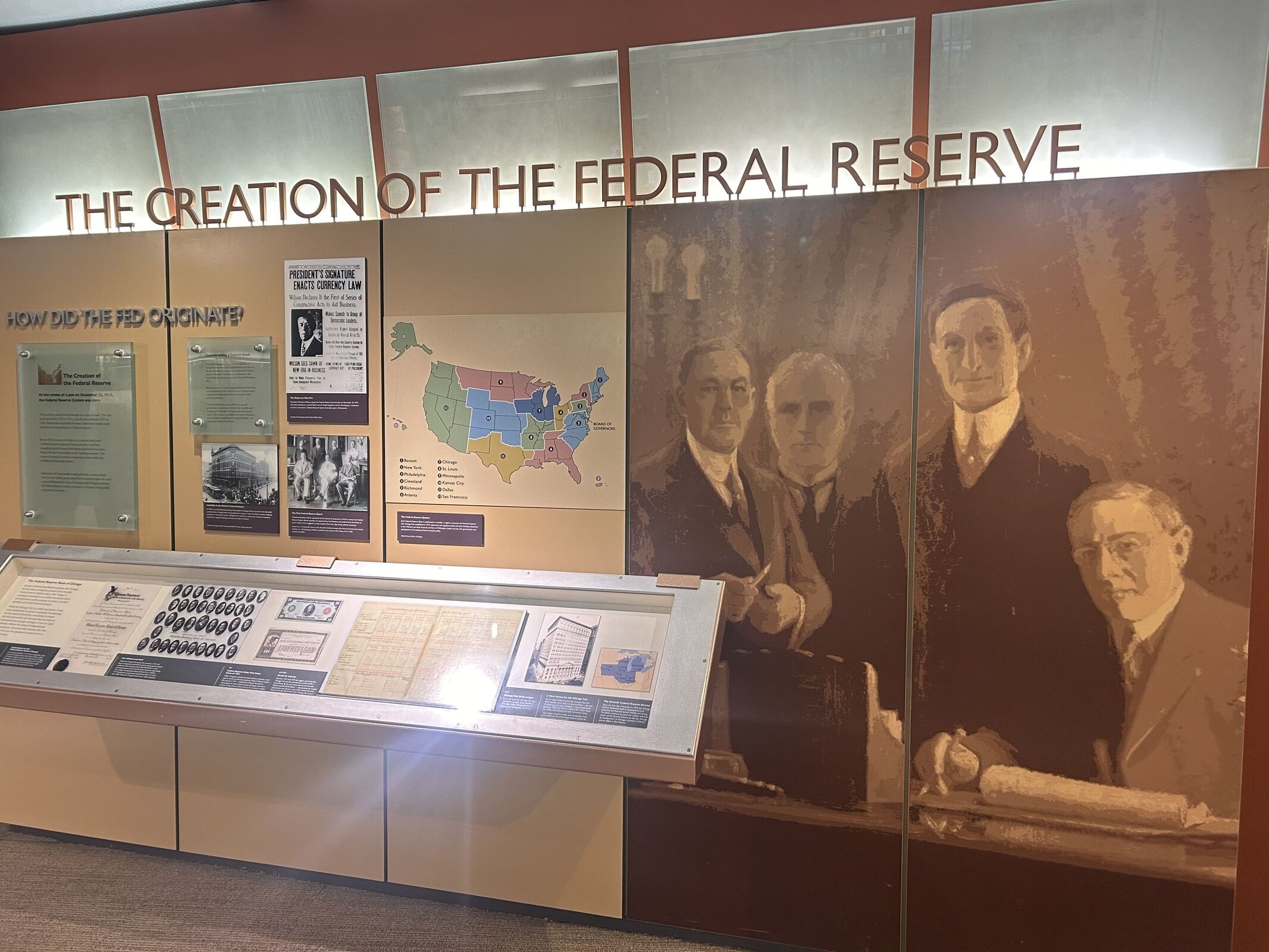
The clinking of coins shows how your money is made – and reading further will tell you how much it’s actually worth.
Located on the first floor of the Federal Reserve Bank of Chicago, the Money Museum invites guests to explore the United States’ money journey, from when President Woodrow Wilson signed the Federal Reserve Act in 1913 to when the Chicago Fed handled the Y2K threat in 1999.
“This is an opportunity for the public to become aware of what the central bank does,” said Matthew Ramirez, senior museum program representative at the Federal Reserve Bank of Chicago.
The Money Museum celebrates its 25th anniversary this year, and the city’s Federal Reserve Bank has been in operation since 1914.
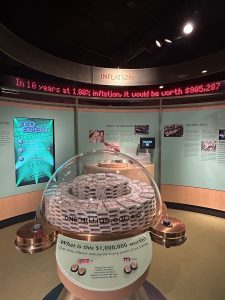
The museum uses interactive installations like an automated kinetic sculpture showing the life cycle of a dollar (from initial printing to entering the public) and the way cash flows through the economy, Ramirez said. Peer into “the money pit,” a former elevator shaft turned into a place to hold coins, and see how much $1 million is worth over time at the inflation display.
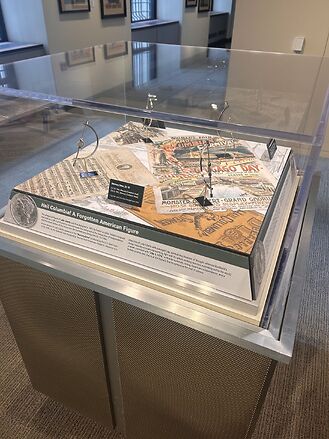
Their current special exhibit shows “Hail Columbia! A Forgotten American Icon,” which displays a version of Lady Liberty on the “Mercury Dime” produced by the U.S. Mint from 1916-45.
“The money cube is also a big fan-favorite; it holds $1 million and weighs about a ton,” Ramirez said about the gigantic 4-foot square “cube of cash.”
Don’t forget to pick up your free pack of shredded money called “Fed Shreds” as a souvenir, with an approximate pre-shredded value of $396 per bag, according to the Chicago Fed.


- Address: 230 S. LaSalle St.
- Price: free
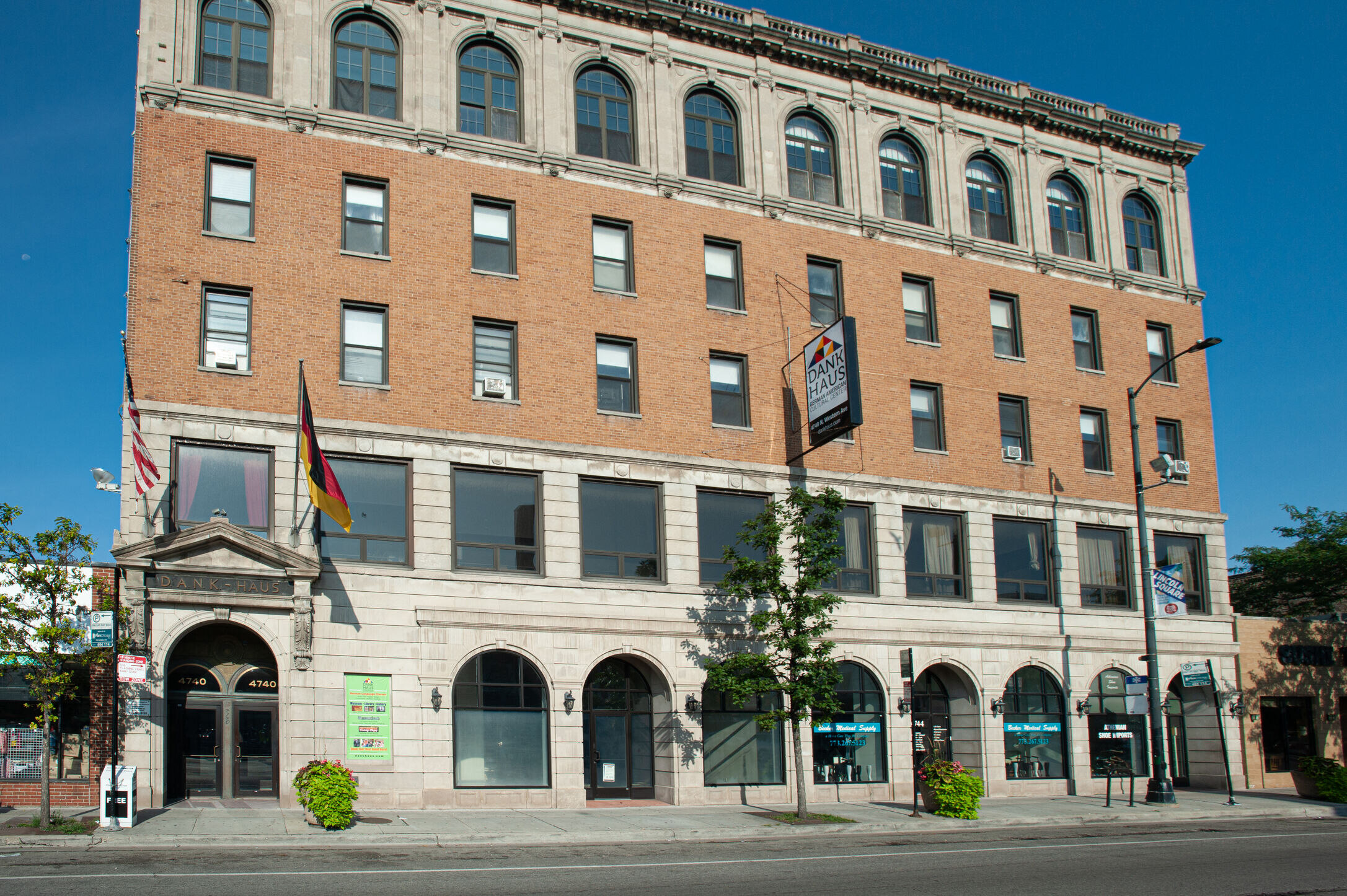
DANK Haus German American Cultural Center
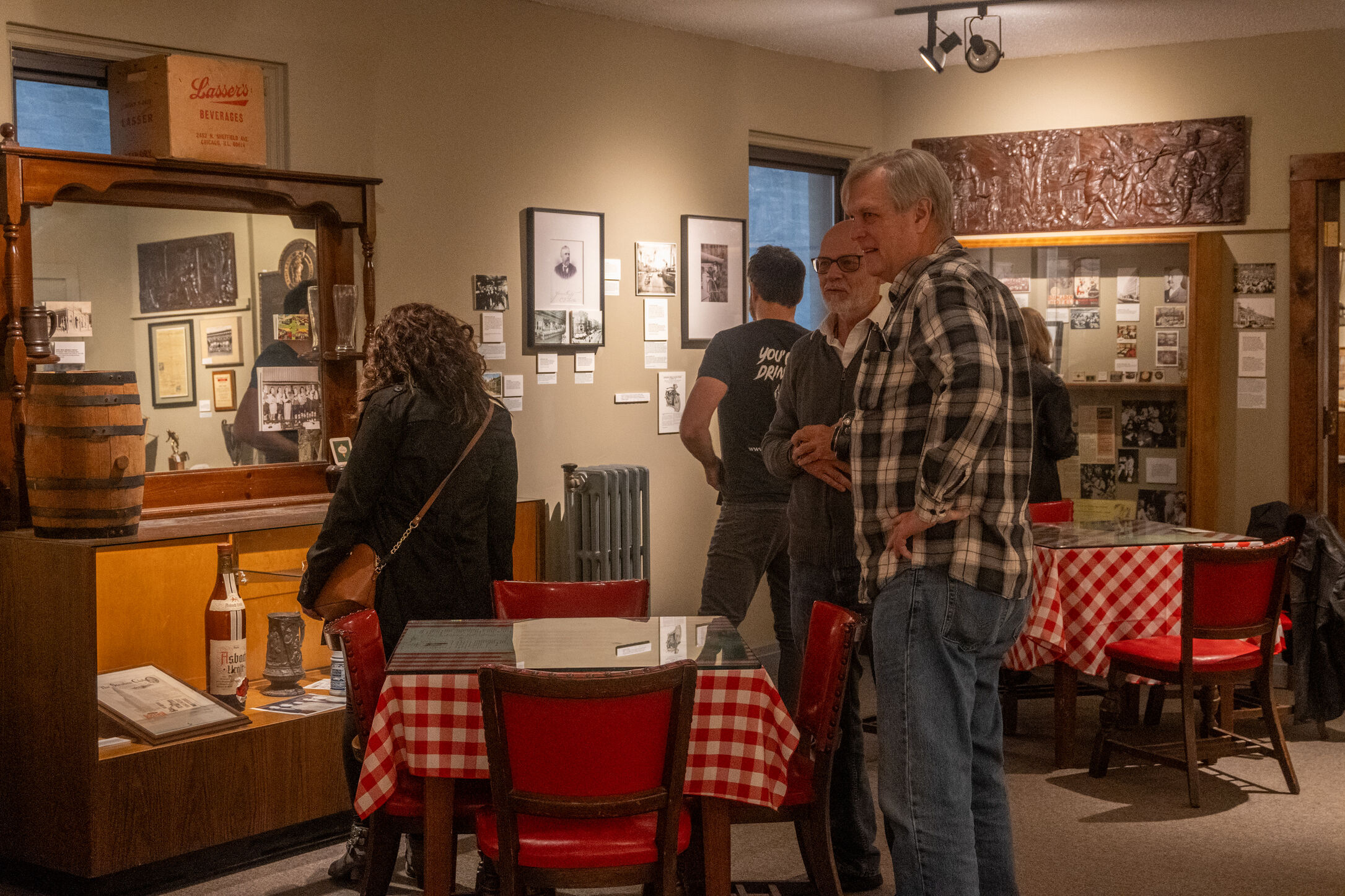
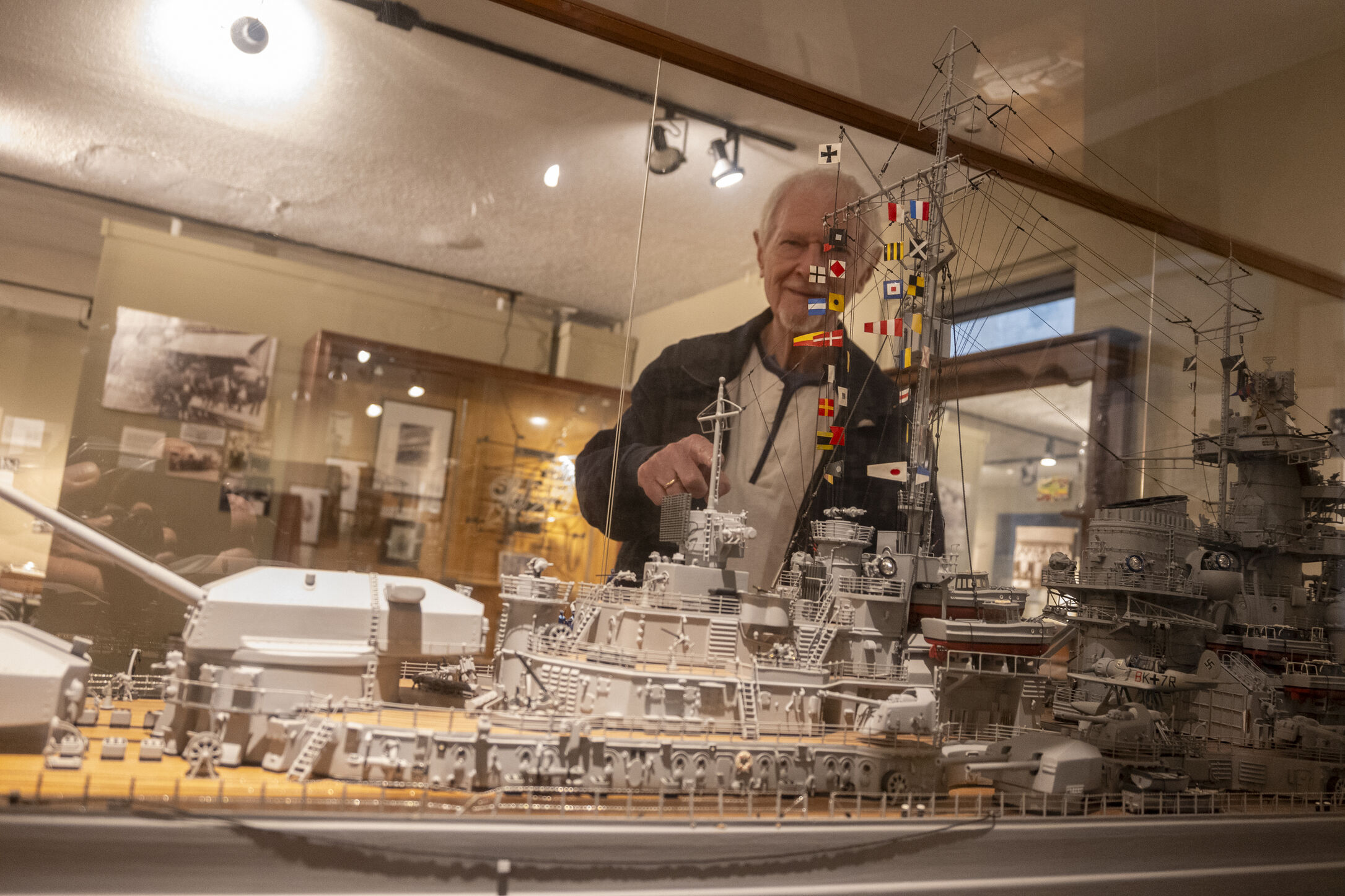
At DANK Haus (Deutsch Amerikanischer National Kongress), visitors can learn about German American culture and see everything from model war submarines to classic checkered tablecloths and historic postcards.
Founded in 1959, the cultural center moved in 1967 into its current Lincoln Square location, designed by architect Paul Gerhardt. Walk through at your own pace or take a guided tour to see how Germans made their mark on Chicago.
“Because we are a smaller organization, we’re really able to get into what is relevant to our mission and have a lot of flexibility to explore different topics,” said Samantha Lundeen, director of membership, museum and development at DANK Haus.
Lundeen said a huge component of the center is teaching German language classes that are “bursting at their seams.” She added that the museum teaches people as young as 6 months old to those in their 90s.
“Lost German Chicago,” an exhibition based on the book “Lost German Chicago” by Joseph and Susan Heinen, has been on display for the past 15 years, Lundeen said.
She said DANK Haus is currently working on an exhibition called “Traces” that teaches guests about German immigration to the U.S., specifically to Chicago. A contemporary art gallery features rotating exhibitions, with the latest about sound, style and youth culture in 1980s Germany having opened April 6.
“A lot of the content we have in our exhibitions is really interesting for adults, but we also try to promote content that’s accessible to younger audiences because we have such a wide age range of people,” Lundeen said. “We want to make sure there’s something for everyone.”
- Address: 4740 N. Western Ave.
- Price: free
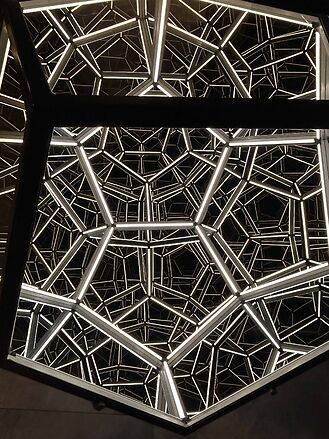
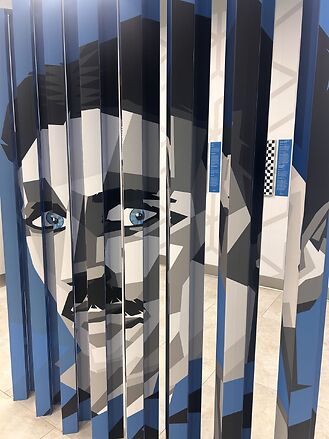
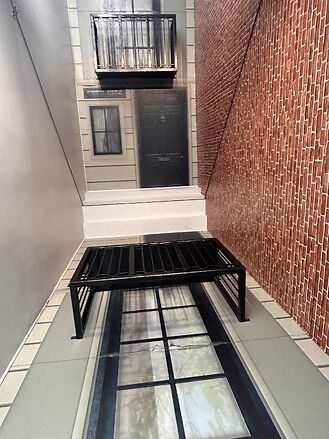
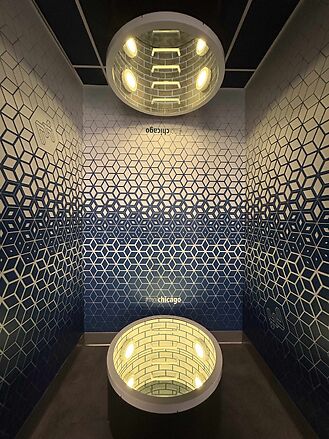
Sometimes in life you need to look outside the box, especially at the Museum of Illusions.
In 2015 in Zagreb, Croatia, two friends, Roko Zivkovic and Tomislav Pamuković, wanted to create an intersection between education and entertainment. Today, 28 countries have a Museum of Illusions, said Lydia Lopez, general manager at the Museum of Illusions’ Chicago location.
At the Chicago location, which opened in November 2020, Lopez said visitors can explore 63 exhibits, ranging from immersive rooms to wall installations. The museum’s “big and little room,” an illusion that makes you appear taller or shorter, and the spinning vortex tunnel are especially popular, Lopez said. She recommends trying the building illusion. Two people lay on the floor. One person pretends to fall while the other pretends to catch the other person. For a great photo, take a picture at a 90° angle to make it look like people are actually falling.
“During the day, it’s a really good place for families to bring their children, to not only have fun, but to educate them on illusions,” she said. “We’ve had a lot of first dates here, and it’s a nice icebreaker for couples to just have fun and really interact with each other.”
All ages are welcome, but the recommended audience is 5 and older, Lopez said. It’s also a photo-friendly place where employees will happily take pictures of guests as they try their hands at different illusions, she said.
There are family discounts, as well as those for seniors and military members.
It’s an “edu-tainment” museum for both educational and entertainment purposes, which celebrates the wonders of the mind, Lopez said. “It’s a very culturally adaptive place, where all cultures can see how illusions look.”
- Address: 25 E. Washington St.
- Price: $29 for children; $36 for adults
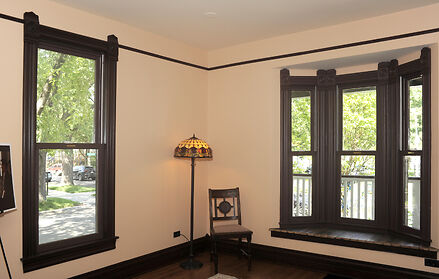
The dreamer was born on Dec. 5, 1901, in a quaint, white-picket-fenced house in Chicago’s northwest Hermosa neighborhood. More than a century later, this home would be transformed into a place for people to learn about the life and roots of Walt Disney.
Dina Benadon, project director and founder of The Walt Disney Birthplace, said many people don’t know that he was born in Chicago and the museum aims to spread the word. She and her husband, Brent Young, design and create immersive animation experiences at their company, Super 78.
“When Walt Disney moved out of Chicago, he was only a little over 4 years old, and the family moved to Marceline, Missouri,” Benadon said. “He didn’t go to school until he was 7 years old; he was homeschooled before then.”
While Benadon said she and Young purchased the house in 2013, it officially opened to the public in October 2023.
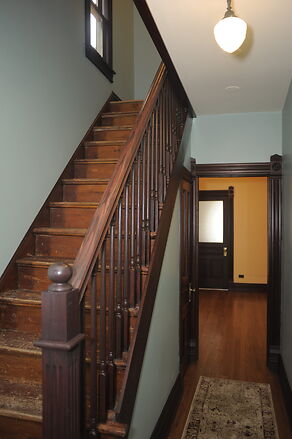
“The fascinating thing about the home is that Walt’s mother drew the plans for the home, and Walt’s father built the home himself in 1893,” Benadon said.
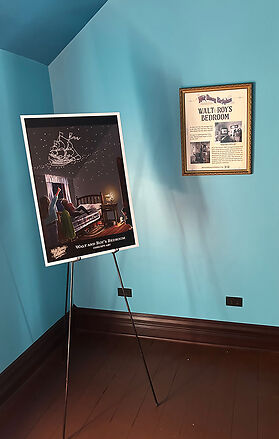
Guests can walk through the 1,200-square-foot home and see the bedroom Disney shared with his older brother, Roy Disney, along with the parlor, dining room, kitchen and other bedrooms.
For the past year, the Birthplace has offered tours – each lasting about 40 minutes – on the last Saturday of every month, Benadon said. And every December 5, the house holds a birthday celebration for Disney with a candle–lighting ceremony.
The Disney Birthplace team also launched a nonprofit called Center for Early Childhood Creativity and Innovation. Its mission is to help parents nurture their child’s creativity in the same way Disney’s parents nurtured his, Benadon said.
“Walt’s creativity and spirit was shaped right there in that Chicago home,” she said.
The museum is also launching book signings. Its first one is May 9 with AJ Wolfe, author of “Disney Adults: Exploring a Magical Subculture” and founder of Disney Food Blog.
“When you walk in, you’ll get to experience what it would feel like to be Walt Disney as a young child,” Benadon said. “If you can dream it, you can do it.”
- Address: 2156 N. Tripp Ave.
- Price: $25
Mallory Evans is a magazine specialization graduate student at Medill.